
Materials Guide
Cedar vs. Hemlock vs. Basswood Sauna: Which Wood Should You Actually Buy?
The wood your sauna is built from affects durability, comfort, maintenance, health, and how the room feels every time you step inside.
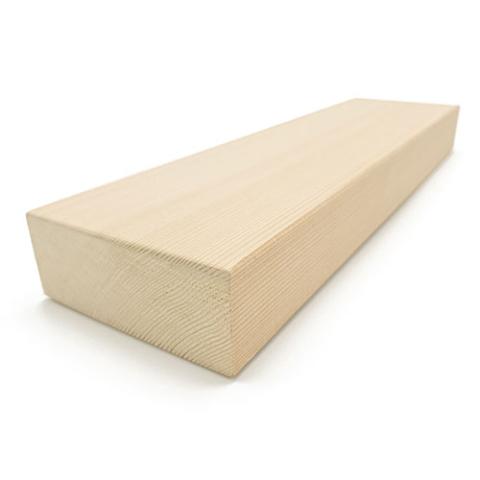
Every sauna buyer eventually hits the same wall. You have decided you want a sauna. You have picked a size. You might even have a brand in mind. Then someone mentions that your sauna is made of hemlock and asks whether you have considered cedar instead. Or you read a product page touting basswood as hypoallergenic and wonder if that matters.
Suddenly you are deep in a rabbit hole of wood grain comparisons, conflicting opinions, and sauna forums where everyone has a different answer.
Here is the truth: cedar, hemlock, and basswood are all used in quality saunas for specific reasons. None of them is universally the best. The right choice depends on where your sauna will live, how sensitive your body is, what kind of experience you want, and how much maintenance you are willing to do.
The Quick Comparison
Before we go deep on each wood, here is the side-by-side overview.
| Feature | Western Red Cedar | Canadian Hemlock | Basswood |
|---|---|---|---|
| Color | Warm reddish-brown with dramatic grain variation | Light creamy white to pale brown, uniform grain | Pale white to light tan, very uniform |
| Aroma | Strong, warm, woody; the classic sauna smell | Minimal to none | Minimal to none; some report a faint sweet scent |
| Durability | Excellent, naturally rot and insect resistant | Good untreated; excellent when thermally modified | Poor, soft, dents easily, not suited for outdoor use |
| Moisture resistance | Excellent, natural oils repel water | Moderate, benefits from good ventilation | Poor, absorbs moisture and stains easily |
| Hypoallergenic | No, aromatic oils can irritate sensitive users | Yes, low resin and little fragrance | Yes, zero resins, tannins, and fragrance |
| Best for | Outdoor saunas, traditional sauna lovers, premium builds | Indoor and infrared saunas, value-conscious buyers | Indoor infrared saunas, allergy-sensitive users |
Cedar: The Gold Standard For Traditional Saunas
Cedar, especially Western Red Cedar, is the wood most people picture when they think of a sauna. There is a reason it has been the dominant choice in North American sauna construction for decades.
Why people love it
The aroma is the first thing you notice. Cedar's natural essential oils release a warm, woody fragrance when heated. For traditional saunas where you pour water over hot stones and generate loyly, cedar's aromatic contribution is unmatched.
Beyond scent, cedar contains natural oils that make it resistant to rot, mold, mildew, fungal growth, and insect damage. It is dimensionally stable, resists swelling and warping, and stays remarkably cool to the touch even when the air is above 180°F.
For outdoor saunas, cedar is hard to beat. It weathers gracefully, developing a silver-gray patina over time without losing structural integrity.
The honest downsides
Cedar costs more. Expect to pay 15 to 30 percent more for a cedar sauna compared with a comparable hemlock model. That premium is justified by the wood's properties, but it matters at the $5,000 to $10,000 price point.
The bigger issue for some buyers is sensitivity. The same terpenes that produce cedar's scent can cause respiratory irritation, headaches, or skin reactions in sensitive individuals. In the enclosed heat of a sauna, that effect can be amplified.
Best cedar saunas available
Dundalk Leisure Craft's Harmony barrel sauna and Serenity-style cedar models are among the best cedar sauna options under $10,000. Dundalk uses sustainably sourced Canadian cedar and offers wood-burning heater options, making the brand a natural fit for off-grid installations.
Browse cedar Dundalk saunas on Sauna Kit Co →
Hemlock: The Smart Mid-Range Choice
Canadian Hemlock has quietly become one of the most popular sauna woods, particularly for infrared saunas and indoor installations. It does not have cedar's mystique, but it delivers excellent performance at a lower price point.
Why people love it
Hemlock offers a clean, modern aesthetic. The wood ranges from creamy white to pale brown with a fine, consistent grain pattern and minimal knots. For an indoor installation, it creates a brighter and more contemporary look than cedar.
Hemlock has low resin content, so there are no sticky surfaces and very little off-gassing at sauna temperatures. Its heat retention is consistent and even, which is one reason infrared sauna manufacturers often use it.
It is also functionally hypoallergenic. Without cedar's aromatic oils, it creates a neutral, scent-free environment that lets the heat speak for itself.
The honest downsides
Untreated hemlock lacks cedar's natural moisture resistance. It depends on proper ventilation, regular maintenance, and good drainage to stay healthy long-term. In humid climates or poorly ventilated spaces, hemlock will degrade faster than cedar.
The solution is thermal modification. Thermally modified hemlock, spruce, or aspen performs dramatically better in moisture resistance, dimensional stability, and decay resistance. If you are buying a hemlock sauna for outdoor use, look for thermally modified wood specifically.
Best hemlock saunas available
Hemlock is most common in indoor and infrared saunas. For outdoor performance, SaunaLife's ERGO E7 uses 1.65-inch thermally modified Nordic spruce, a close cousin to hemlock in appearance and performance, with the durability needed for outdoor use.
View hemlock sauna wood on Sauna Kit Co →
Basswood: The Hypoallergenic Specialist
Basswood, also known as American Linden, occupies a specific niche in the sauna market. It is the least expensive option, but it earns its place through one property no other common sauna wood can match: it is virtually free of resins, tannins, oils, and aromatic compounds.
Why people love it
For anyone with chemical sensitivities, allergies, respiratory conditions, or a preference for a completely scent-free environment, basswood is one of the safest choices available. Zero off-gassing. Zero fragrance. Zero skin irritants.
Basswood is also exceptionally light and soft, which gives it low thermal mass. It stays noticeably cool to the touch at sauna temperatures, especially in infrared saunas that operate between 120°F and 150°F.
The honest downsides
Basswood is soft. It dents more easily than cedar or hemlock, shows wear faster, and can stain from water contact. Over years of regular use, a basswood sauna interior will age sooner than either of the other two woods.
More critically, basswood has poor natural rot resistance. It absorbs moisture readily and lacks cedar's protective oils. Basswood is categorically unsuitable for outdoor sauna construction.
Best basswood saunas available
Basswood is primarily found in indoor infrared saunas from brands focused on wellness and detox. If basswood's hypoallergenic profile matters but you want outdoor-grade durability, consider allergy-friendly contact surfaces such as aspen sauna bench material or a SaunaLife model with thermo-aspen benches and a thermally modified spruce body.
Browse indoor saunas on Sauna Kit Co →
The Fourth Option: Thermally Modified Wood
Any honest comparison of sauna woods in 2026 has to address thermally modified lumber, because it has changed the equation significantly.
Thermal modification heats wood to extreme temperatures in an oxygen-free kiln. This permanently alters the cellular structure, removing moisture, breaking down sugars and resins that feed mold and bacteria, and creating a material that is far more stable and durable than the same species in its natural state.
SaunaLife's ERGO barrel sauna line uses 1.65-inch thermally modified Nordic spruce. It performs at or above the level of natural cedar in moisture resistance and dimensional stability, while maintaining the hypoallergenic benefits of a low-aroma wood.
View thermally modified spruce sauna wood →
Browse thermally modified SaunaLife saunas →
So Which Wood Should You Choose?
Choose cedar if:
You are building an outdoor sauna and want the lowest-maintenance wood available. You love the aroma and consider it part of the sauna ritual. You want a wood that ages beautifully and lasts decades with minimal care.
Our recommendation: Dundalk Harmony Barrel Sauna — Canadian cedar, 5-year warranty, and wood-burning heater options available.
Choose hemlock, or thermally modified spruce, if:
You want strong all-around performance at a more accessible price point. You prefer a neutral, scent-free sauna environment. You want modern aesthetics with a clean, bright interior.
Our recommendation: SaunaLife ERGO E7 Barrel Sauna — thermally modified Nordic spruce, limited lifetime warranty, and the best overall barrel sauna value under $10,000.
Choose basswood if:
You have diagnosed chemical sensitivities or allergies that make aromatic woods problematic. You are building an indoor-only infrared sauna. You want the lowest-cost entry into home sauna ownership and accept a shorter wood lifespan.
Our recommendation: Leil Como indoor sauna kits for compact indoor builds, or browse the indoor collection and look for basswood, aspen, or other low-aroma interiors.
Can You Mix Woods?
Yes, and it is often smart. The most common approach is using a more durable wood for the structural shell and a more comfortable or hypoallergenic wood for benches and interior contact surfaces.
SaunaLife does this with its ERGO series: the barrel body is thermally modified spruce for structural integrity and weather resistance, while the benches are thermally modified aspen, a wood that stays cool to the touch and produces no strong aromatic compounds.
If you are doing a custom build, you could use hemlock for walls and framing and cedar for benches and backrests. This can reduce total wood costs while preserving the cedar experience where you actually feel it.
Browse sauna wood on Sauna Kit Co →
The Bottom Line
The best sauna wood is the one that matches how you will use the sauna, where you will put it, and what your body needs. Cedar is unmatched for outdoor durability and aromatic experience. Hemlock and thermally modified spruce deliver excellent performance at a better price with a neutral sensory profile. Basswood serves allergy-sensitive indoor users on a budget.
Do not let wood choice paralyze your buying decision. A great sauna built from any of these woods will change your daily life. The differences between them are real but incremental. The difference between owning a sauna and not owning one is transformational.
Explore the full sauna collection at SŌLACE Ritual →
For temperature ranges by goal, see the complete sauna temperature guide. For material selection, see the complete sauna wood types guide.
SŌLACE Ritual is an independent thermal wellness resource. We may earn a commission when you purchase through links on our site at no additional cost to you. All recommendations are based on our own research and evaluation.