
Direct Answer
What Temperature Should a Cold Plunge Be? (The Complete Answer)
The effective range for cold water immersion is 50-59°F. Most daily practitioners settle between 52°F and 57°F.
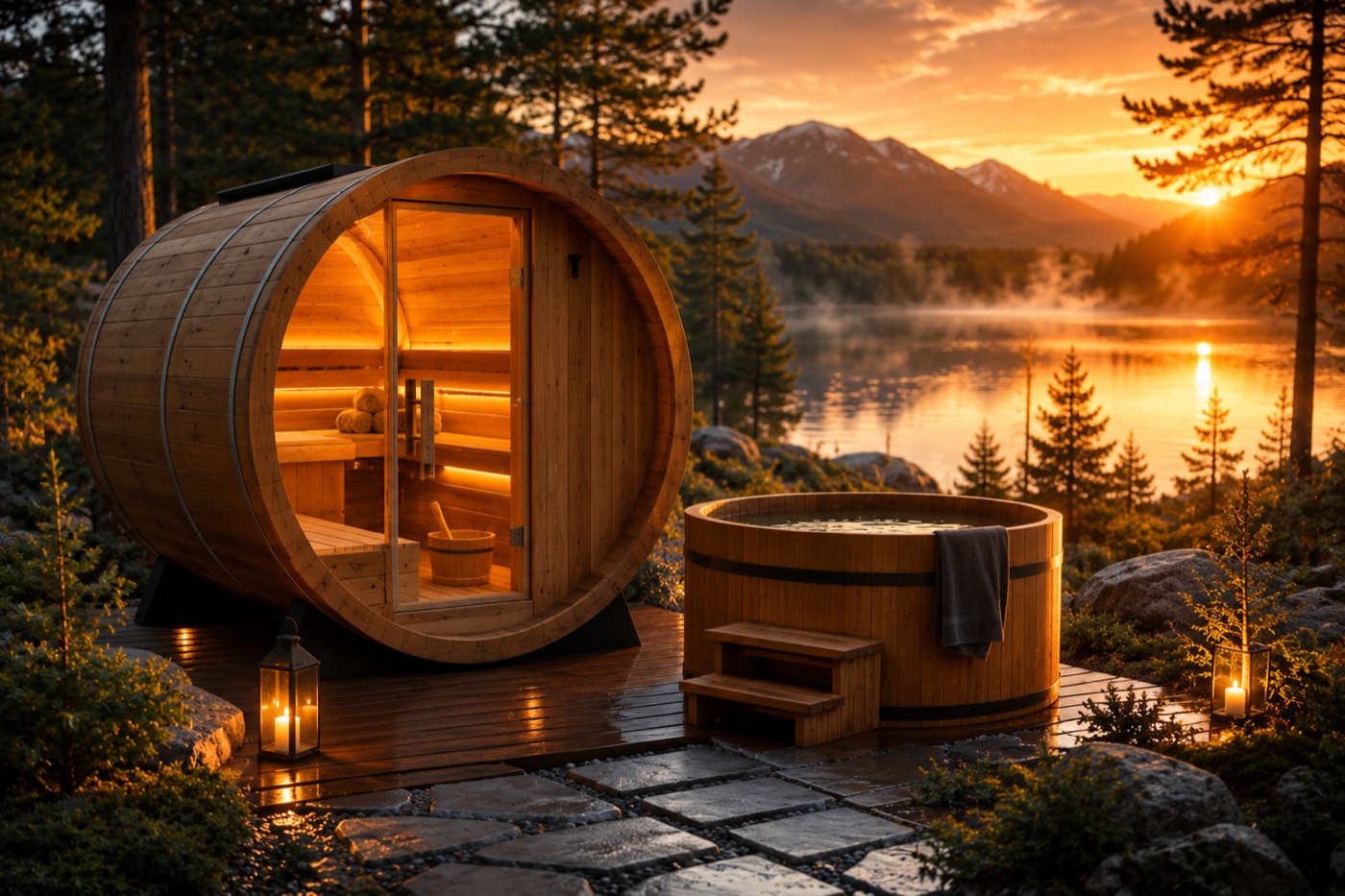
The effective range for cold water immersion is 50-59°F (10-15°C). That is the range where research documents meaningful physiological benefits.
Most practitioners settle between 52°F and 57°F for daily use. Beginners should start around 57-60°F, while experienced contrast therapy users often use 50-55°F.
Cold Plunge Temperature Reference Table
| Temperature | Experience level | Physiological effect | Best for |
|---|---|---|---|
| 68-60°F | Very beginner | Cool but mild; limited response | Acclimatization |
| 59°F | Beginner | Entry to therapeutic range | First two weeks |
| 57°F | Beginner-intermediate | Solid norepinephrine response | Daily practice |
| 55°F | Intermediate | Strong response; documented norepinephrine spike | Most practitioners |
| 52°F | Intermediate-advanced | Full cold cascade | Contrast therapy and recovery |
| 50°F | Advanced | Maximum practical therapeutic range | Experienced users |
| 45°F | Very advanced | Cold shock dominates experience | Not recommended as daily default |
| 39-42°F | Elite protocol | Professional athletic recovery range | Specific short-duration protocols |
What the Research Says About Temperature
The neurochemical response that makes cold water immersion valuable, including large norepinephrine and sustained dopamine increases, has been documented around 57°F in controlled settings.
Below 50°F, the cold shock response intensifies without a proportional increase in the measured benefits for most users. Above 60°F, vasoconstriction and the neurochemical response diminish significantly.
Consistency inside the therapeutic range matters more than extremity. A 55°F plunge six mornings per week will usually beat a 45°F plunge twice per week over a 90-day practice.
Temperature by Goal
- Cognitive clarity and mood: 50-57°F for 2-3 minutes, ideally in the morning.
- Muscle recovery and soreness reduction: 50-59°F for 8-12 minutes, with cold delayed at least two hours after heavy resistance training.
- Contrast therapy: 50-55°F for 2-3 minutes between sauna rounds.
- Beginners: 57-60°F for 1-2 minutes while the nervous system acclimates.
- Sleep support: 55-59°F, ending at least 90 minutes before bed.
How to Maintain Cold Plunge Temperature
Dedicated cold plunge tubs with insulation and optional chilling systems remove the friction that breaks consistency. Stock tanks and bathtub ice baths work for testing the practice, but daily ice logistics are the reason many people stop.
The Dundalk Baltic Cold Plunge is built from Eastern White Cedar and designed for year-round outdoor use. It pairs naturally with Dundalk and SaunaLife saunas for a complete outdoor contrast therapy station.
Common Questions
- Is colder always better? No. Below 50°F, discomfort rises faster than measurable benefit for most people.
- Should I use ice? Ice works, but it is labor-intensive for daily practice.
- How do I know if my plunge is cold enough? Use a basic digital thermometer. Feeling alone is unreliable.
- Can I use my bathtub? Yes, with ice, though most tubs limit full-body immersion.
The Science of Cold Plunge Recovery →
The Contrast Therapy Protocol Replacing Morning Coffee →
SŌLACE Ritual is an independent thermal wellness resource and authorized affiliate of Sauna Kit Co. Updated May 2026.